Decades of Engineering Know-How, Delivered Simply.

Reduce Costs – Higher Returns – Avoid LL97 fines

LeFrakAORASageEquity ResidentialRockrose

RUHLai: Faster Compliance. German Precision. Proven Expertise.

RUHLai accelerates the path to Local Law 97 compliance in New York City — delivering speed without compromise. Built on 70 years of German engineering excellence in Net-Zero building designs and global decarbonization, RUHLai is a best-in-class building optimization platform.

Our AI-driven insights provide actionable data, tailored strategies, and detailed reports that cut through complexity. The result: smarter decisions, faster compliance, and measurable savings. With RUHL ai, you stay ahead of fines, reduce costs, and future-proof your building investment.

OUR MISSION

Profitable Assets

Our mission is to transform buildings into profitable, future-ready assets by maximizing energy efficiency and minimizing both operational and capital expenditures. Through state-of-the-art design and intelligent optimization, we create high-performing buildings that deliver superior returns today while advancing the global transition to Net Zero. Economics drive us, sustainability defines us.
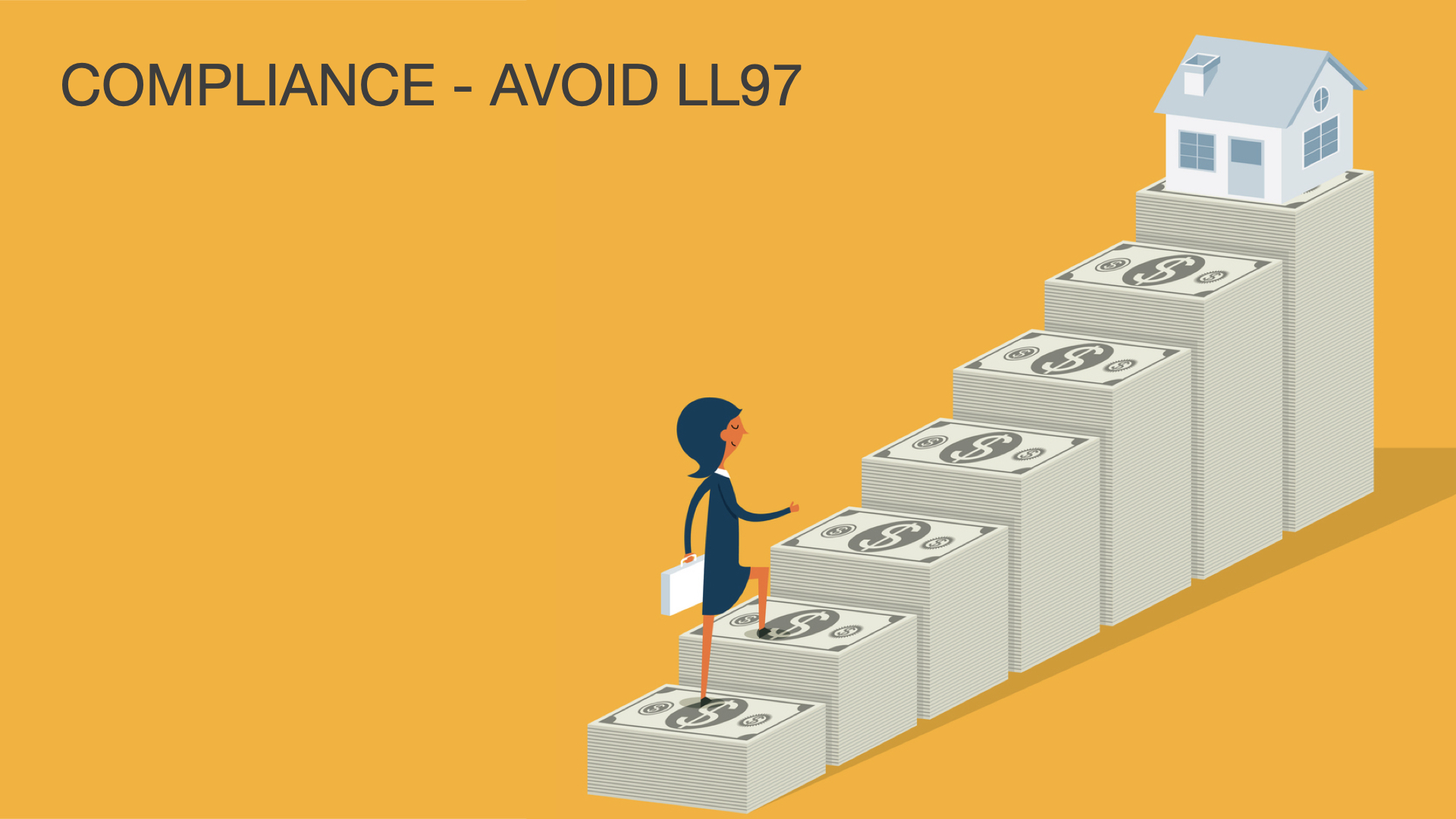
Compliancy - Avoid LL97

Our mission is to guide building owners through Local Law 97 with clarity and precision — developing actionable roadmaps to Net-Zero that avoid yearly fines and ensure compliance with every five-year milestone. By aligning short-term efficiency gains with long-term sustainability goals, we help owners stay ahead of regulations, control costs, and unlock opportunities to negotiate or even waive penalties. We believe that smart strategy, backed by expertise, is the key to turning compliance into lasting value.

TESTIMONIALS

Eric Chan
Eric Chan
Director Special Project
Rockrose Development
RUHL has applied their global MEP expertise to our portfolio and delivered measurable value from the outset. Their commitment to forward-thinking, decarbonization-driven technologies and problem-solving approaches is what truly distinguishes them.
Michael Keaveney
Michael Keaveney
Executive Vice President
SAGE Realty
RUHL takes a creative, forward-looking approach to modern MEP design, consistently rethinking mechanical infrastructure with an emphasis on energy efficiency and carbon-conscious engineering. Their ability to challenge conventional solutions and propose sustainability-driven concepts makes them a strong design partner for organizations focused on long-term performance and resiliency.

FREQUENTLY ASKED QUESTIONS

What does building decarbonization mean and why is it important in New York City?
Building decarbonization is the process of reducing or eliminating greenhouse gas (GHG) emissions from buildings by improving energy efficiency, switching from fossil-fuel systems (like oil and gas boilers) to clean electricity, and integrating renewable energy sources. In New York City, buildings are responsible for about 70% of total carbon emissions. Decarbonizing your property helps comply with Local Law 97, lowers utility bills, avoids fines, and positions your asset for long-term value growth in a competitive real estate market.
What is Local Law 97 (LL97) and how does it affect building owners?
Local Law 97 (LL97) is part of New York City’s Climate Mobilization Act. It requires most buildings over 25,000 square feet to stay under strict annual carbon emissions limits starting in 2024. These limits tighten further in 2030 and beyond. Owners who fail to comply face substantial fines, calculated at $268 per metric ton of CO₂ emissions above the limit, every year. That means a medium-sized building exceeding its cap by 1,000 tons could face $268,000 in annual penalties.
How can building owners avoid LL97 fines?
To avoid Local Law 97 penalties, owners should act now. Proven strategies include:
  • Energy audits and carbon assessments to understand the baseline.
  • Efficiency upgrades (LED lighting, insulation, advanced HVAC).
  • Electrification with heat pumps and electric hot water systems.
  • On-site renewables (solar PV, battery storage).
  • Smart building controls to optimize operations.
    Working with an Energy Service Company (ESCO) ensures that all upgrades are planned, financed, and executed for maximum impact while meeting compliance deadlines.
What financial support is available through NYSERDA for decarbonization projects?
NYSERDA (New York State Energy Research and Development Authority) provides a wide range of incentives, rebates, and financing options to encourage building owners to cut emissions. Programs cover:
  • Heat pump adoption and electrification
  • Energy efficiency retrofits
  • Renewable energy integration
  • Feasibility studies and engineering support
    ESCOs help owners apply for and maximize NYSERDA incentives, often reducing upfront project costs by 20–40%.
How can smart building technology help reduce energy costs and emissions?
Smart buildings use connected systems — sensors, controls, and AI-driven analytics — to monitor and adjust energy use in real time. Benefits include:
  • Automatic optimization of heating, cooling, and lighting
  • Predictive maintenance to prevent costly breakdowns
  • Integration with renewable energy and storage systems
  • Improved tenant comfort and sustainability reporting
    This technology can cut operating costs by 10–25%, making compliance with LL97 easier and more affordable.
How much can I save on energy costs by decarbonizing my building?
Savings depend on building size, age, and upgrades, but typical ESCO-led projects in New York deliver 20–40% reductions in annual energy bills. When combined with avoided LL97 fines and NYSERDA incentives, payback periods are often short — in some cases, less than 5 years.
Will decarbonizing my building increase its market value?
Yes. Buildings that meet LL97 standards and demonstrate sustainability performance gain a clear competitive advantage:
  • Higher property valuations
  • Easier access to green financing and favorable lending terms
  • Attraction of premium tenants who demand sustainable spaces
  • Protection from regulatory and reputational